


Kahala Eye Clinic, Kahala Office Tower, 4211 Waialae Avenue, Suite #202
Honolulu, HI 96816

Eye Infection Treatment Honolulu
Red, pink, infected, painful, or irritated eyes can signal many different conditions—requiring urgent care. At Kahala Eye Clinic, we provide Honolulu with prompt treatment.
Schedule Now, Get Treatment Today.
Infected Eye: When to Call an Eye Doctor in Honolulu Right Away
An eye that appears red, swollen, or painful may indicate anything from mild irritation to a serious bacterial infection that threatens your sight. Because symptoms of an eye infection can mimic other conditions, only a thorough examination can reveal the underlying cause.
Seek same-day evaluation if you experience:
Sudden vision loss or blurred vision
Severe eye pain that doesn’t improve
Extreme light sensitivity
Recent eye injuries or trauma
Pain while you wear contact lenses
Thick, pus-like discharge
Swelling around the eye socket
Fever alongside eye symptoms
These red flags may indicate conditions like corneal ulcers or orbital cellulitis that can progress rapidly. Studies show delays beyond 24 hours in treating certain infections correlate with significant risk of permanent vision problems.
If you suspect an infected eye or aren’t sure what to do, contact Kahala Eye Clinic at 808-204-4300 immediately for same-day emergency eye care in Honolulu. Our team provides urgent appointments for Honolulu patients who need prompt evaluation and care.
Schedule Now, Get Treatment Today.
What Is an Eye Infection?
An eye infection occurs when bacteria, viruses, fungi, or parasites overwhelm your eye’s natural defenses and begin multiplying on or inside eye tissues. This differs from simple eye irritation, which may cause redness without actual pathogenic invasion.
Not every red eye indicates infection. Conditions that can mimic an infected eye include:
Allergic reactions
Dry eye syndrome
Chemical or environmental irritation
Foreign body sensation
Fatigue or strain
Common surface infections include pink eye (conjunctivitis) and styes. More serious conditions like endophthalmitis (infection inside the eye), orbital cellulitis, and certain forms of uveitis require immediate specialist intervention.
In Honolulu’s warm, humid climate—with humidity averaging 70-80% year-round—contact lens wear, ocean exposure, and outdoor activities can elevate infection risk. Accurate diagnosis at Kahala Eye Clinic is the first step before pursuing any treatment of eye infection.
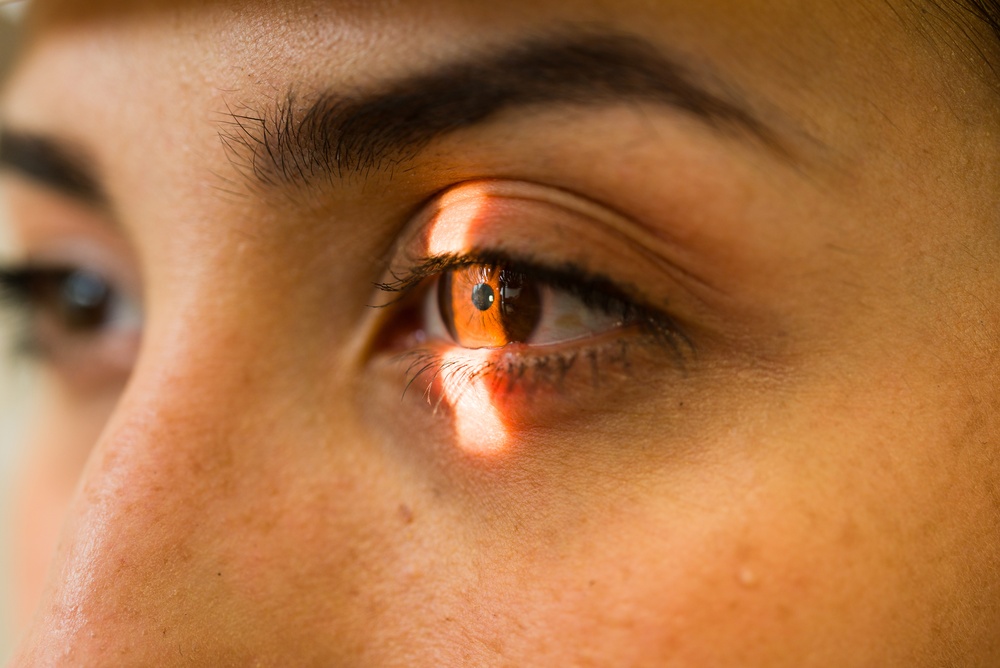
Signs and Symptoms of an Infected Eye
Schedule Here, Get Treatment Today.
Symptoms overlap significantly between different eye conditions. The same pink, irritated eye could represent viral conjunctivitis, bacterial infections, allergic conjunctivitis, or something more concerning.
Common surface symptoms include:
Redness in one or both eyes
Burning or gritty sensation
Itching
Excessive tearing or watery discharge
Thick discharge (mucus or pus)
Eyelid crusting upon waking
Mild swelling
More serious symptoms requiring urgent attention:
Intense, unrelenting eye pain
Sudden blurred vision or cloudy vision
Halos around lights
Marked light sensitivity (photophobia)
Significant eyelid or facial swelling
Headache with eye symptoms
Nausea
Changes in vision, worsening pain, or any symptoms in contact lens wearers should be treated as urgent. Many patients search “how do I get rid of an eye infection” based on these symptoms, but self-diagnosis is unsafe because different causes require different treatment.
Schedule Here, Get Treatment Today.
What Causes an Eye Infection?
Eye infections develop when germs overwhelm the eye’s natural defenses, often following irritation, dryness, injury, or environmental exposure.
Main causes include:
Bacterial infections (Staphylococcus, Streptococcus, Pseudomonas)
Viral infections (adenovirus, herpes simplex virus, varicella zoster virus)
Fungal infection (Fusarium, Aspergillus)
Parasitic organisms (Acanthamoeba from contaminated water)
Sexually transmitted pathogens affecting the eye
Risk factors particularly relevant to Honolulu residents:
| Risk Factor | How It Increases Risk |
|---|---|
| Contact lens wear | Especially sleeping or swimming in lenses |
| Ocean and pool exposure | Introduces bacteria and parasites |
| Eye rubbing with unwashed hands | Transfers pathogens to eye surface |
| Eye makeup and lash extensions | Bacteria can colonize cosmetics |
| Chronic dry eye | Compromises natural defenses |
| Sinus infections | Can spread to eye structures |
| Diabetes or weakened immune system | Impairs infection-fighting ability |
| Each cause requires different treatment for infected eye-reinforcing why an eye doctor in Honolulu should evaluate the problem rather than relying on generic eye drops. What appears online as an "eye infection cure" may mask symptoms while the underlying cause worsens. |
Common Types of Eye Infection We See at Kahala Eye Clinic
Schedule Here, Get Treatment Today.
Kahala Eye Clinic regularly evaluates conditions ranging from common pink eye to sight-threatening internal infections. Understanding these types helps you recognize when to seek care—not to self-diagnose.
The best treatment for eye infection depends entirely on which condition is present, as each type can appear in one or both eyes with similar-looking symptoms.
Pink Eye (Conjunctivitis)
Schedule Here, Get Treatment Today.
Conjunctivitis involves inflammation of the thin membrane covering the white of the eye and inner eyelids. It’s among the most common conditions we see, with distinct patterns:
| Type | Key Features | Contagious? |
|---|---|---|
| Viral pink eye | Watery discharge, often starts in one eye | Extremely contagious |
| Bacterial pink eye | Thick discharge, eyelids stuck shut | Highly contagious |
| Allergic conjunctivitis | Itching, affects both eyes | Not contagious |
| Only an eye doctor can confirm the cause. Viral conjunctivitis spreads rapidly through families, schools, and workplaces. Proper diagnosis ensures appropriate care while reducing transmission. Most eye infections in this category, when properly managed, resolve without complications. |
Keratitis and Corneal Ulcers
Schedule Here, Get Treatment Today.
Keratitis affects the cornea—the clear dome at the front of your eye. A corneal ulcer is an open sore in this tissue that can develop within 24-48 hours if untreated.
Contact lens wearers face heightened risk, especially those who:
Sleep in their lenses
Swim while wearing lenses
Practice poor contact lens hygiene
Use tap water to rinse lenses
Symptoms include eye pain, foreign-body sensation, blurred vision, light sensitivity, and sometimes a visible white spot on the cornea. Bacterial keratitis, fungal keratitis, and viral keratitis each require specific treatment approaches.
Suspected corneal ulcer is an emergency. Contact Kahala Eye Clinic or seek emergency care immediately—this is one of the most time-sensitive bacterial infection in eye treatment situations.
Styes, Chalazia, and Eyelid Infections
A stye appears as a tender, red bump at the eyelid margin from an infected eyelash follicle or oil gland. A chalazion is typically a firm, non-infected bump from a blocked oil gland that may become secondarily infected.
Related conditions include:
Blepharitis: Chronic inflammation of eyelid margins
Preseptal cellulitis: Infection of eyelid tissues
Symptoms involve localized redness, swelling, soreness, and crusting along the lash line. While warm compresses may provide comfort, an eye doctor determines whether an eyelid bump needs more aggressive treatment or simply monitoring.
Schedule Here, Get Treatment Today.
Serious Internal Eye Infections
Severe conditions requiring emergency care include:
Endophthalmitis: Infection inside the eye, often post-surgical
Orbital cellulitis: Infection spreading into the eye socket
Uveitis: Inflammation of deeper eye layers
These may follow eye surgery, penetrating eye injuries, spread from sinus infections, or systemic diseases. Symptoms include deep eye pain, rapidly worsening vision, fever, severe redness, and difficulty moving the eye.
These are medical emergencies. Vision loss risk reaches 20-50% with treatment delays. Anyone in Honolulu experiencing these severe cases should seek immediate care.
Schedule Here, Get Treatment Today.
How Kahala Eye Clinic Diagnoses an Infected Eye
There’s no universal “eye infection cure” that works for everyone. Proper diagnosis forms the foundation of effective treatment.
Our evaluation process includes:
Detailed history: Symptom onset, exposure history (sick contacts, pools, ocean), contact lens habits, and medical history
Visual acuity testing: Detecting subtle vision changes
Slit-lamp examination: Magnified view of eyelids, conjunctiva, cornea, and anterior structures
Pressure assessment: When appropriate for certain conditions
Additional specialty testing
This thorough approach matches the right treatment for infected eye while avoiding unnecessary medications. Eye doctors at our clinic understand local environmental factors unique to Hawaii.
Schedule Here, Get Treatment Today.
Treatment of Eye Infection at Kahala Eye Clinic
Treatment plans are individualized based on cause, location, and severity. Options may include prescription eye drops, ointments, oral antibiotics, or in rare cases, injections or surgery.
We don’t rely on one-size-fits-all approaches. Over-the-counter drops are often inappropriate for true infections, and using them may delay proper care. Our goal: clear the infection, protect vision, relieve discomfort, and reduce symptoms while preventing spread.
Patients receive clear instructions about medications, follow-up visits, and warning signs. Eye doctors at Kahala Eye Clinic remain available throughout your treatment for questions and support.
Schedule Here, Get Treatment Today.
Treatment for Bacterial Eye Infections
Confirmed bacterial eye infections typically require prescription antibiotic eye drops or ointments tailored to infection site and severity. More serious bacterial infections like corneal ulcers may need:
Frequent dosing schedules
Combination medications
Daily and weekly monitoring
Never reuse old antibiotic drops or share medications. Finishing the full prescribed course—even when your eye looks better—is essential to fully treat eye infection and prevent resistance.
Schedule Here, Get Treatment Today.
Treatment for Viral Eye Infections
Many viral eye infections, including common viral conjunctivitis, improve with time and supportive care such as cool compresses and artificial tears under doctor supervision. Our doctors can prescribe medicated eye drops to support faster healing and recovery.
However, infections caused by herpes virus strains—including herpes simplex virus (related to cold sores) and herpes zoster (shingles, caused by varicella zoster virus)—require prompt antiviral medications to protect the cornea.
Antibiotics don’t cure viral infections. Hygiene measures and temporary work or school precautions help limit spread. Expect recovery within a few weeks for most viral cases, with follow-up to ensure resolution.
Schedule Here, Get Treatment Today.
Treatment for Fungal and Parasitic Eye Infections
Fungal and parasitic infections are less common but potentially sight-threatening, particularly after:
Plant-related eye injuries (common with palm fronds in Hawaii)
Contaminated water exposure while wearing contact lenses
These conditions require specialized antifungal or anti-parasitic medications, sometimes for extended periods. Severe cases may need surgical intervention. Anyone with persistent pain following water exposure should seek prompt evaluation.
Schedule Here, Get Treatment Today.
What to Do (and Not Do) If You Suspect an Eye Infection
This guidance helps you take appropriate next steps—not home remedies or treatment instructions.
Do:
Stop wearing contact lenses immediately
Remove eye makeup
Wash your hands frequently
Use separate towels and pillows
Contact Kahala Eye Clinic for evaluation
Don’t:
Rub or touch your eyes
Share cosmetics or personal items
Use leftover prescription drops
Try unverified home remedies or online “cures”
Wait if you have severe pain, vision loss, or swelling
For symptoms involving significant discomfort, vision changes, or trauma, contact a doctor immediately or seek emergency care.

A person is washing their hands thoroughly with soap and water, emphasizing the importance of hygiene to prevent eye infections, such as pink eye and other bacterial and viral eye infections. Clean hands are crucial for contact lens wearers to avoid complications like eye irritation and serious bacterial infections.
Can an Eye Infection Go Away on Its Own?
Schedule Here, Get Treatment Today.
Some mild viral conditions may improve without specific medication. However, patients cannot reliably determine which cases are safe to observe.
Waiting for an infection to resolve independently can allow damage to tear ducts, cornea, or internal structures—sometimes permanently affecting vision. If the eye doesn’t drain properly or symptoms persist, complications increase.
An early visit lets your eye doctor distinguish minor from serious conditions. If symptoms last longer than a couple of days, worsen, or involve vision changes, err on the side of caution and contact Kahala Eye Clinic. Pain relievers may provide temporary comfort but won’t address the underlying cause.
Preventing an Infected Eye
Schedule Here, Get Treatment Today.
Many eye infections are preventable with consistent daily habits, especially for contact lens wearers.
Prevention strategies:
Wash your hands thoroughly before touching eyes
Avoid rubbing eyes with unwashed hands
Follow contact lens care instructions precisely
Use high quality contact lenses
Never sleep or swim in contact lenses unless specifically prescribed
Replace contact lens cases regularly
Stop wearing contact lenses at the first sign of irritation
Additional recommendations:
Replace eye makeup every 3-6 months
Never share cosmetics
Remove makeup completely before sleep
Wear protective eyewear during sports and yard work
Use goggles for ocean activities
Regular comprehensive eye exams at Kahala Eye Clinic help detect risk factors like dry eye or eyelid disease that can predispose to infection.
We are often asked, "Are eye infections contagious?" Many are extremely contagious—proper hygiene protects your family and community.
Eye Infection Treatment Honolulu: Why Choose Kahala Eye Clinic
Kahala Eye Clinic provides comprehensive eye care services in Honolulu and comprehensive evaluation and treatment for the full spectrum of eye infections affecting Honolulu residents and surrounding communities.
What sets us apart:
Experienced eye doctors in Honolulu with specialized training
Modern diagnostic equipment for precise identification, including comprehensive glaucoma exams and treatment
Individualized care plans for conditions from pink eye to complex corneal infections
Convenient Honolulu location
Familiarity with local environmental factors (saltwater, sun, humidity, seasonal viruses) and the communities we serve across Honolulu and surrounding areas
Urgent appointment availability when needed, with answers to frequently asked questions about our services, insurance, and care
How are eye infections diagnosed here? Through thorough examination—never guesswork
How are eye infections treated? With evidence-based, personalized protocols
We understand that an infected eye causes worry. Our patient-centered, comprehensive eye care approach includes clear explanations, ongoing follow-up, and support until your condition fully resolves. Whether you need medical help for a simple irritation, specialty contact lenses or dry eye treatment, or ongoing annual eye exam care in Honolulu, we’re here to help.
If you’re worried about an infected eye or seeking the best treatment for eye infection in Honolulu, contact Kahala Eye Clinic today. Schedule your appointment and take the first step toward clear, healthy vision. Your eye health is too important to leave to chance—let our team provide the expert care you deserve.
Powered by
