


Kahala Eye Clinic, Kahala Office Tower, 4211 Waialae Avenue, Suite #202
Honolulu, HI 96816

Constant Eye Watering
Constant Eye Watering in Honolulu: Causes, Relief & Treatment Options
Watery eyes in Honolulu are a common concern, often described as excessive tearing, eye irritation, or blurry vision that doesn’t seem to improve. Many people searching for watery eyes treatment in Honolulu are surprised to learn that this symptom is frequently caused by underlying issues such as dry eye, allergies, blocked tear ducts, or eyelid dysfunction, as well as environmental factors like wind, computer use, sleeping with eyes open, sun exposure, and air-conditioned spaces common in Honolulu. Understanding the cause is the first step toward lasting relief, and a comprehensive evaluation by our experienced eye doctor in Honolulu can help identify what’s really going on.
Schedule An Appointment
If you find yourself reaching for tissues throughout the day or struggling with vision blurs while driving on the H1 freeway, you’re not alone. Constant eye watering—medically known as epiphora—affects countless Honolulu residents, disrupting everything from morning commutes to relaxing walks along the beach. Epiphora is the medical term for excessive tearing. This excessive eye watering isn’t simply a matter of too many tears; it typically signals an underlying condition that deserves attention.
Most causes of excessive tearing can be effectively treated once properly identified.
At Kahala Eye Clinic in Honolulu—serving Kahala, Hawai’i Kai, Aina Haina, Manoa and beyond—we specialize in diagnosing excess tearing and eye irritation at the source. This guide covers symptoms, causes of watery eyes, at-home relief options, and when professional watery eyes treatment in Honolulu becomes essential.

Symptoms of Constant Eye Watering
Living with watery eye symptoms affects your daily routine in frustrating ways. Many patients describe persistent tear streams running down their cheeks, requiring frequent tissue use and making activities like reading or working feel exhausting.
Common symptoms of watery eyes include:
Constant or intermittent tearing that disrupts activities
Swollen, red, or irritated eyelids
Gritty foreign body sensation
Burning eyes and eye irritation
Light sensitivity, especially in Hawai’i’s bright conditions
Fluctuating or blurry vision in Honolulu while driving or reading
Excessive tears can cause unstable vision that worsens in intense sunlight or creates glare problems during nighttime driving. You may notice discharge, crusting along the lash line in the morning, or a sticky feeling suggesting infection or clogged tear ducts.
Many patients experience theses classic symptoms: burning and excessive dryness despite constant watering. This pattern is typical in Honolulu Dry Eye cases, where reflex tears evaporate quickly without providing lasting comfort. Pay attention to when your symptoms worsen—outdoors in wind, in office air conditioning, while reading or during high-pollen tradewind days.
Common Causes of Watery Eyes in Honolulu
Understanding why your eyes water constantly requires looking at two primary mechanisms: excessive tear production or poor eye drainage through the lacrimal system. Often, both contribute simultaneously. Only a comprehensive eye exam can determine which factors—sometimes multiple—are driving your excessive tearing.
Dry Eye Honolulu and Reflex Tearing
It seems contradictory, but dry eye is responsible for up to more than 50% of epiphora cases. Dry eye occurs when the eyes do not produce enough tears or the tears evaporate too quickly, leading to discomfort and excessive tearing. When your tear film lacks adequate oil from meibomian glands, tears evaporate rapidly—especially in windy coastal neighborhoods where evaporation rates can surge 20-50% above normal.
This triggers a precise process involving the trigeminal-lacrimal reflex: your eye surface becomes irritated, signaling the lacrimal gland to flood basal tears onto the surface of the eye. Unfortunately, these reflex tears are watery and lipid-poor, failing to restore stability. The result? Both burning and constant watering that home remedies alone cannot resolve. Kahala Eye Clinic provides dedicated dry eye treatment in Honolulu, measures tear film stability, completes advanced testing and measures meibomian gland function to identify this pattern accurately.
Allergy-Related Excessive Tearing in Honolulu
Allergies affect 20-40% of O’ahu residents, and for many patients these symptoms overlap with dry eyes that won’t go away in Honolulu, making allergy induced tearing extremely common. Local triggers include:
Windborne grass pollens
Tropical flowering plants and mold in humid homes
Dust mites and pet dander in city apartments
Hallmark signs include itchy, puffy lids, stringy mucus discharge, red eyes, and a stuffy or runny nose. Symptoms typically worsen outdoors during trade wind days. Repeated eye rubbing only increases inflammation and tearing, creating cycles that proper treatment options can break. Targeted treatment recommended by our eye doctor can greatly reduce watery eyes.
Blocked Tear Ducts and Eyelid Dysfunction
Your tears normally drain through tiny punctal openings in your eyelids, traveling through the nasolacrimal duct into your nose. When nasolacrimal duct obstruction occurs in adults—from chronic eye inflammation, sinus disease, previous cancer treatment effects, sinus surgery, or age-related narrowing—tears cannot drain properly. Blocked tear ducts can result from conditions like chronic inflammation, swelling, eye infections, or previous surgeries, leading to excessive watering of the eyes.
Symptoms of blocked tear ducts include:
Tears constantly overflowing (often one eye worse than the other)
Sticky discharge at the inner corner
Recurrent infections requiring topical antibiotics or oral antibiotics
Unexplained tearing tenderness near the nose
Eyelid malpositions like entropion (inward turning) or ectropion (outward turning) also disrupt drainage and become more common with age. Older individuals may experience eyelid malposition, such as entropion or ectropion, which can contribute to excessive tearing. Kahala Eye Clinic offers a range of dry eye treatments and evaluates lid position, punctal openings, and tear flow to diagnose watery eye problems accurately.
Who Is Most Likely to Experience Constant Watery Eyes?
Schedule a visit at Kahala Eye Clinic for a detailed evaluation and personalized care.
While watery eyes can affect anyone, certain groups in Honolulu face higher risk and often benefit from comprehensive Honolulu eye care and specialty contacts:
| Risk Group | Contributing Factors |
|---|---|
| Older adults | Eyelid laxity, meibomian gland dysfunction, chronic conditions |
| Contact lens wearers | Extended wear during surfing, office hours, or sleeping in lenses |
| Allergy/asthma patients | Living in high-pollen areas like Kaneohe or Manoa Valley |
| Heavy screen users | Office workers, UH Manoa students, remote workers who blink less |
| Autoimmune conditions | Sjogren's syndrome, rheumatoid arthritis, thyroid disease |
| Post-surgical patients | Prior eyelid, sinus, or nasal procedures affecting drainage |
| Diabetics | Neuropathy affecting tear innervation and the visual system |
| Patients with a medical history of severe injury or eye injury near the tear drainage system may also experience ongoing issues. Persistent tearing in infants typically requires pediatric evaluation; this page focuses primarily on adults and older teens in Honolulu. |
Most Common Causes of Constant Eye Watering
Understanding the most frequent causes of excessive tearing can help you identify potential triggers and seek the right treatment. Here’s a summary of the most common causes:
Dry eyes: One of the most common causes of excess tearing is dry eyes, which can lead to discomfort and stimulate the body to produce too many tears.
Allergies: Allergies to pollen, pet dander, or dust can trigger excessive tearing and inflammation.
Environmental irritants: Wind, smoke, and pollution can cause reflexive tearing in susceptible individuals.
Infections: Infections like conjunctivitis (pink eye) can lead to excessive tearing.
Blocked tear ducts: Blocked tear ducts can result from conditions like chronic inflammation, swelling, eye infections, or previous surgeries, leading to excessive watering of the eyes.
Eyelid malposition: Older individuals may experience eyelid malposition, such as entropion or ectropion, which can contribute to excessive tearing.
Nasolacrimal duct obstruction in newborns: Nasolacrimal duct obstruction, or dacryostenosis, is a condition that causes excessive eye watering and discharge in 6% to 20% of newborns.
Age-related risk: Watery eyes can affect people of all ages, but it is most common in newborns and older adults.
Makeup and eye hygiene: Makeup can cause infections, styes, and irritations that lead to watery eyes due to the transfer of bacteria or makeup particles into the eye.
Home Remedies and Self-Care for Watery Eyes
Some mild or intermittent cases improve with careful self-care, though persistent symptoms warrant professional evaluation at Kahala Eye Clinic for comprehensive Honolulu eye care services. Treatment depends on the underlying cause, but these approaches sometimes help:
Lubricating support:
Use preservative free lubricating drops (artificial tears) during the day to stabilize tear film and reduce reflex tearing
Compress therapy:
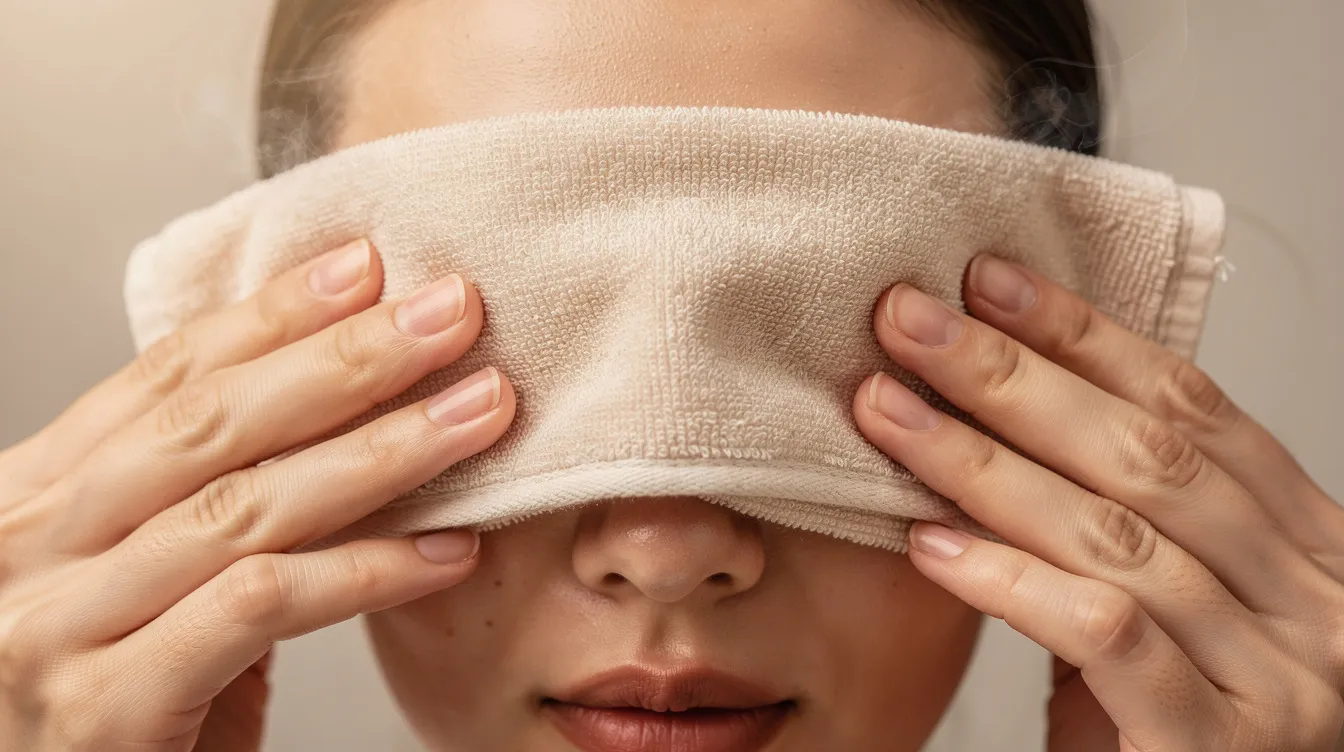
Apply cool compresses for allergy-type itching and puffy lids to calm inflammation
Environmental adjustments:
Wear wraparound sunglasses with UV protection outdoors
Use a cool mist humidifier in air-conditioned spaces
Take blink breaks every 20 minutes during screen time
Hygiene practices:
Gentle lid scrubs along the lash line
Avoid sharing cosmetics or eye drops (foreign objects and bacteria transfer easily)
Avoid:
Eye rubbing (worsens inflammation significantly)
Old “redness relief” drops (can cause rebound worsening)
Self-starting leftover medicated eye drops or prescription eye drops not prescribed for current symptoms
When Home Remedies Are Not Enough
Ongoing blurry vision, burning eyes, or constant streaming tears signal that DIY care has reached its limits. Warning signs requiring professional attention include:
Increasing redness or thick discharge
Severe pain or eye pain that won’t subside
Severe light sensitivity or halos around lights
One eye tearing significantly more than the other
Joint or muscle aches accompanying eye symptoms (suggesting systemic conditions)
Severe flare ups despite home treatment
These signs may indicate infections, corneal problems, acute allergies, or blocked tear requiring medical intervention—not just lubricating drops. Stop wearing contact lenses and seek care.
Professional Watery Eyes Treatment in Honolulu at Kahala Eye Clinic
At Kahala Eye Clinic, our "watery eyes treatment" approach begins with understanding your specific symptoms and local triggers, especially for East Oʻahu and Hawaii Kai eye care and specialty contacts patients. Our experienced eye doctor, conducts comprehensive evaluations using advanced diagnostic technology including slit-lamp examination, tear film analysis, and meibomian gland assessment.
We distinguish between dry eye, allergy, blocked ducts, eyelid dysfunction, and other causes—recognizing that many patients have overlapping conditions requiring integrated treatment plans.
Medication and Prescription Eye Drop Options
Medications are selected based on diagnosing excess tearing causes specific to each patient:
| Condition | Simplified Treatment Approach |
|---|---|
| Moderate-severe dry eye | Lubricating prescription drops to support tear film, reducing reflex tearing |
| Surface inflammation | Anti-inflammatory drops (cyclosporine, lifitegrast) achieving 40-60% improvement |
| Allergic tearing | Antihistamine eye drops and mast-cell stabilizers for seasonal symptoms |
| Infections/blepharitis | Antibiotic eye drops or oral antibiotics for bacterial overgrowth |
| Severe flare ups | Short-course steroid drops under careful monitoring |
| Proper guidance on usage, duration, and follow-up ensures safety and effectiveness. We never recommend emotional tears management-those are natural responses to any emotional or stressful event. |
Dry Eye and Eyelid Treatments
In-office treatments at Kahala Eye Clinic address the root causes of tearing:
Professional eyelid cleansing and meibomian gland expression
Advanced dry eye therapies targeting oil gland dysfunction
Tailored home care: daily warm compresses, omega-3 supplementation, contact lens adjustments
For patients with significant corneal damage or excessive dryness, custom scleral lenses create a protective liquid reservoir over the eye, dramatically reducing reflex tearing and stabilizing vision, and we address many common concerns about these therapies in our frequently asked questions.
Managing Tear Duct and Eyelid Problems
When structural problems cause constant watering, addressing anatomy provides lasting relief:
Tear duct irrigation and probing for selected cases
Punctal assessment and temporary plugs for severe dry eye
Referral coordination for reconstructive surgery (dacryocystorhinostomy) when needed
Co-management with eyelid surgeons for entropion or ectropion requiring surgical correction
Most structural causes improve significantly with the right combination of office-based care and, when indicated, surgical intervention.
Related Eye Concerns We Check For
Constant eye watering often connects to other conditions we screen during evaluations:
Systemic dry eye: Links to diabetes, autoimmune conditions, medications
Eyelid problems: Trichiasis (ingrown lashes), styes, chalazia, chronic blepharitis
Surface growths: Pterygium and pinguecula common after years of Hawai’i sun exposure
Diabetic eye disease and glaucoma exams and treatment: Routinely assessed for comprehensive eye health
Aesthetic concerns: Dark circles, eyelid laxity addressed for patients interested in both comfort and cosmetic improvement
Post-LASIK
Poor quality contact lens use
When to Seek Urgent Eye Care for Watery Eyes
Some symptoms accompanying watery eyes watering require same-day evaluation:
Sudden blurry vision or vision loss
Severe eye pain or intense light sensitivity
Seeing halos around lights
Thick yellow or green discharge with fever
Recent eye trauma, chemical splash, or foreign objects that won’t rinse out
Cold weather or other environmental exposure causing acute symptoms
If you’re unsure whether your excessive eye watering constitutes an emergency, contact Kahala Eye Clinic for guidance before attempting to treat watery eyes alone at home.
Schedule a Watery Eyes Evaluation at Kahala Eye Clinic
Constant eye watering is uncomfortable, frustrating, and usually signals an underlying problem that proper diagnosis can identify and treat. At Kahala Eye Clinic, we provide comprehensive evaluations for excessive tearing, burning eyes, eye irritation, and blurry vision—focusing on uncovering the root cause rather than masking symptoms.
Our experienced eye doctor offers personalized care with clear explanations and dedicated time for your questions. Conveniently located in Honolulu, Kahala Eye Clinic serves Kahala, Hawai’i Kai, Aina Haina, Manoa, surrounding areas and visitors as part of our broader service areas across Honolulu and beyond. We accept many vision and medical insurance plans with self-pay and financing options available.
Don’t let persistent watery eyes affect your daily life, especially driving or screen use. Book an appointment at Kahala Eye Clinic in Honolulu for a full evaluation and targeted treatment options tailored to your eye health needs.
Powered by
