


Kahala Eye Clinic, Kahala Office Tower, 4211 Waialae Avenue, Suite #202
Honolulu, HI 96816

Why Your Dry Eyes Won’t Go Away—and How Our Honolulu Eye Doctor Can Help
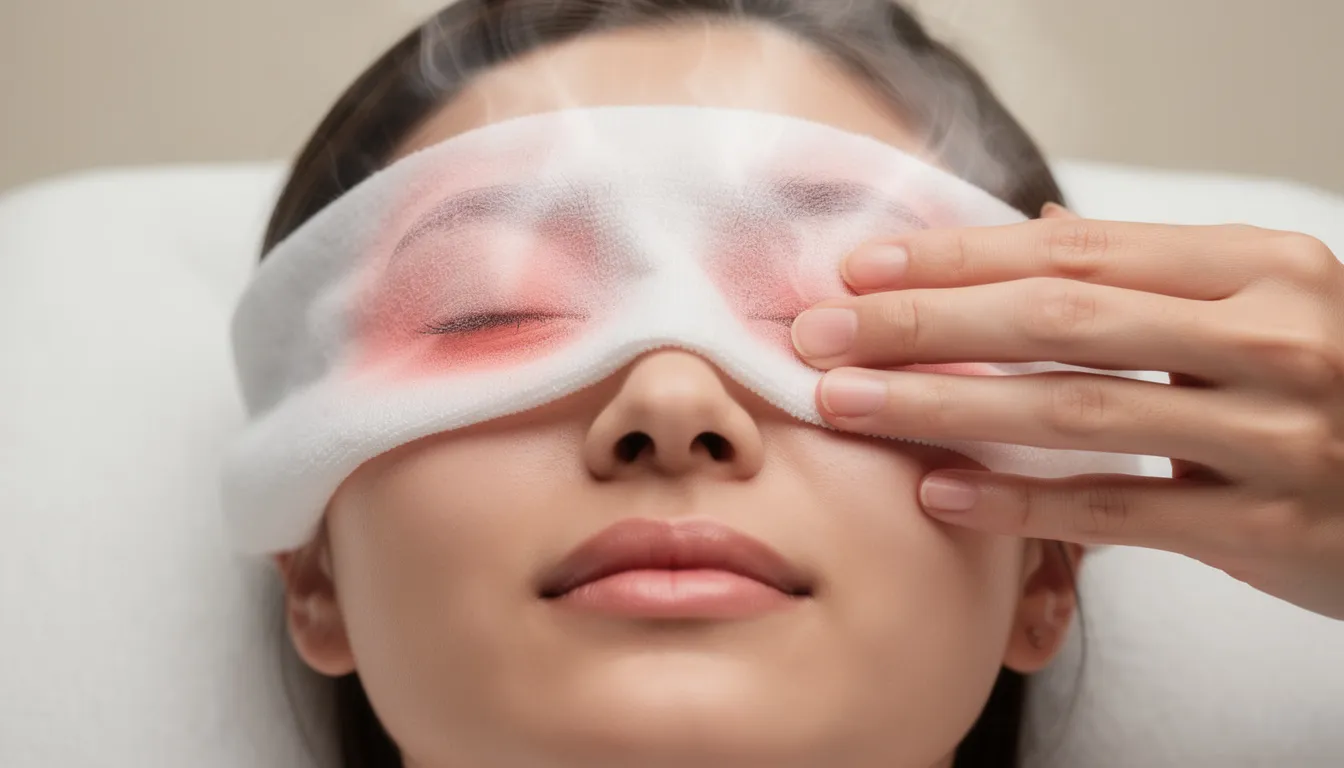
Treatment for Persistent Dry Eye in Honolulu
This guide is for Honolulu residents struggling with chronic dry eyes, a condition that is often a chronic condition requiring ongoing management. If you’ve been searching for answers to “why your dry eyes won’t go away and how our Honolulu eye doctor can help,” you’re in the right place. We’ll cover the causes of persistent dry eyes, why over-the-counter solutions often fail, and the advanced treatments available at our clinic.
Schedule An Appointment and Get Relief Today
Why Your Dry Eyes Keep Coming Back
Dry eyes have multiple underlying causes that artificial tears simply cannot address. When you apply drops, you’re adding temporary moisture to an unstable tear film, but the factors creating that instability remain unchanged. Within hours, sometimes minutes, symptoms return. Understanding the real reasons behind persistent symptoms is essential for effective treatment, and identifying the underlying cause of dry eye is crucial for achieving lasting relief.
Environmental Factors
Living in Hawaii creates unique challenges for dry eye sufferers. Trade winds constantly move air across your eyes, accelerating tear evaporation. Salt air, high UV exposure from our outdoor lifestyle, and frequent transitions between humid outdoors and air-conditioned interiors all contribute to persistent dryness. These environmental elements are significant contributing factors to persistent dry eye symptoms in Honolulu.
Tear Film Instability
Many people believe dry eyes are just a moisture problem—that staying hydrated and using drops should fix everything. This misconception leads to years of frustration, ocular inflammation, and eye damage. In reality, tears consist of water, oils, and mucin, forming a complex three-layer tear film. The oil layer, produced by the meibomian glands, is essential to prevent evaporation of tears and protect the ocular surface. When any layer fails, temporary relief from artificial tears does nothing to solve the underlying dysfunction. If this condition is treated late, the damage can be difficult to reverse. This is why early dry eye treatment is key.
Schedule An Appointment and Get Relief Today
Misconceptions About Dry Eye
Relying solely on over-the-counter drops or home remedies often leads to disappointment because these solutions do not address the root causes of dry eye. Understanding the real reasons behind persistent symptoms is essential for effective treatment, especially when managing dry eyes in Honolulu and beyond.
Main Types and Causes of Dry Eye
For many patients in Kahala and nearby neighborhoods, identifying the main types and causes of dry eye is the first step toward working with Kahala eye care and dry eye specialists who can provide lasting relief.
Persistent dry eyes result from reduced tear production and rapid tear evaporation due to various factors. The most common cause of dry eye diseases is Meibomian Gland Dysfunction, where oil glands become clogged. Meibomian Gland Dysfunction is characterized by blocked oil-producing glands in the eyelids leading to poor tear quality. Aqueous Deficient Dry Eye occurs when the lacrimal glands do not produce enough water-based tears. Other causes include inflammation of the eyelids (blepharitis), aging, certain medications, and contact lens wear. These are all considered risk factors for developing dry eye in Honolulu.
Meibomian Gland Dysfunction (MGD): The most common cause of dry eye diseases, where oil glands become clogged, leading to poor tear quality.
Aqueous Deficient Dry Eye: Occurs when the lacrimal glands do not produce enough water-based tears.
Blepharitis: Inflammation of the eyelids that can contribute to dry eyes.
Aging: Natural changes in tear production and quality.
Medications: Certain medications can reduce tear production.
Contact Lens Wear: Can disrupt the tear film and contribute to dryness.
Eye Surgeries (including LASIK surgery): Procedures such as LASIK surgery are recognized risk factors that can lead to or worsen dry eye symptoms.
The Real Causes Behind Persistent Dry Eyes in Honolulu
Meibomian Gland Dysfunction
The most common cause of chronic dry eyes isn’t insufficient tear production—it’s rapid tear evaporation. Your meibomian glands, located along your eyelid margins, secrete oils that form a protective layer preventing your tears from evaporating too quickly. When these glands become blocked or dysfunctional (meibomian gland dysfunction), tears disappear from your eye surface within seconds. Meibomian Gland Dysfunction is characterized by blocked oil-producing glands in the eyelids leading to poor tear quality, often due to thickened oil that obstructs normal flow. Warm compress and home treatments are often not enough to provide relief.
Schedule An Appointment and Get Relief Today
Symptoms of meibomian gland dysfunction include burning sensations, gritty sensation, light sensitivity especially to bright lights, watery eyes (paradoxically, your eyes overproduce tears to compensate, resulting in excessive tearing), and blurry vision that clears temporarily after blinking. Many patients report their eyes feel worst in the morning, at the end of the day, or worsen significantly during screen time.
While warm compresses help mild cases, severe gland blockage requires professional treatment. The oils inside blocked glands harden and become thickened oil over time, and without proper therapeutic heat and expression, these glands can permanently atrophy. Home remedies simply can’t generate or maintain the temperatures needed to liquefy thickened meibum.
Schedule An Appointment and Get Relief Today
Inflammation and Environmental Factors
Chronic dry eye disease creates a vicious cycle: tear instability triggers inflammation, which damages the ocular surface and glands, which further reduces tear quality, which increases inflammation. Breaking this cycle requires addressing the inflammatory process directly, something over-the-counter drops cannot do.
Hawaii-specific environmental triggers affect dry eye patients daily. Trade winds accelerate evaporation during outdoor activities. Seasonal allergens create additional irritation and redness. The transition from outdoor humidity to aggressive indoor air conditioning shocks the tear film repeatedly. Even our commitment to an active outdoor lifestyle—while beneficial for overall health—exposes eyes to wind, sun, and salt air that worsen symptoms.
Screen time has become perhaps the largest contributor to persistent dry eyes. When focusing on digital devices, blink rate drops from 15-20 times per minute to just 4-5. This reduced blink rate fails to spread tears properly and doesn’t stimulate meibomian gland secretion. Given how much our modern life involves screens, this factor alone perpetuates symptoms in countless patients. This is why a regular eye assessment and treatment routine can set you up for long-term eye health. Managing dry eye symptoms effectively involves practical strategies such as maintaining proper eyelid hygiene, which helps reduce bacterial buildup and supports healthy oil gland function.
Schedule An Appointment and Get Relief Today
Underlying Medical Conditions
Persistent dry eyes often signal systemic health conditions requiring attention, such as:
Diabetes: Affects tear production through corneal nerve damage—affecting up to 50% of diabetic patients.
Autoimmune conditions: Such as Sjogren’s syndrome, rheumatoid arthritis, and lupus, which directly attack moisture-producing glands throughout the body.
Medications: Antihistamines, blood pressure medications, antidepressants, and hormone therapies all reduce tear production.
Eye surgeries: Treatments for other eye conditions like LASIK eye surgery or cataract procedures can permanently affect tear function.
Age-related changes: Particularly hormonal shifts after menopause, significantly affect tear production.
Thyroid disorders, rosacea, and vitamin deficiencies: Rosacea causes meibomian gland dysfunction in over 80% of patients with ocular involvement.
Addressing these underlying conditions is essential for lasting dry eye relief.
Understanding these causes is the first step—next, let’s look at how our clinic addresses them with advanced diagnostics and treatment, and how we develop a personalized treatment plan tailored to your specific underlying conditions for effective, ongoing dry eye management.
Tear Film Structure and Dysfunction
Understanding tear film structure and dysfunction is also central to the broader eye care services available at Kahala Eye Clinic, which address both comfort and long-term vision health.
The tear film is a complex three-layer structure composed of oil (lipid), water (aqueous), and mucin. Each layer plays a crucial role in maintaining eye comfort and clear vision:
Oil (Lipid) Layer: Produced by the meibomian glands, this layer prevents rapid evaporation of tears.
Water (Aqueous) Layer: Produced by the lacrimal glands, it provides moisture and nutrients.
Mucin Layer: Helps tears spread evenly across the eye surface.
Healthy tears and natural tears are essential for keeping the eyes moist, comfortable, and protected from irritation. When the tear film is disrupted or the eyes do not produce enough tears, dry eye symptoms can develop.
When any layer fails—due to meibomian gland dysfunction, aqueous deficiency (when the eyes do not produce enough tears), or mucin abnormalities—temporary relief from artificial tears does nothing to solve the underlying dysfunction. Early dry eye treatment is key to preventing long-term damage.
How Honolulu Eye Doctors Help with Persistent Dry Eyes
Kahala Eye Clinic in Honolulu offer advanced treatments for chronic dry eye, including in-office procedures that utilize advanced equipment for precise diagnosis and effective management. Kahala Eye Clinic provides expert Honolulu eye care and specialty contacts alongside dry eye treatment in Honolulu.
Our Comprehensive Dry Eye Treatment Approach
At Kahala Eye Clinic, treating dry eyes begins with understanding exactly what’s causing your symptoms. Our eye doctors specalize in dry eye treatment, and thoroughly evaluates the tear film stability, meibomian gland structure, and ocular surface health in ways standard exams cannot. A thorough examination is performed during your eye exam, utilizing advanced diagnostic tools such as a slit lamp microscope to provide detailed visualization of the eye’s surface and structures.
This thorough diagnostic process identifies the specific type and cause of each patient’s dry eyes. Is your primary issue aqueous deficiency, evaporative dysfunction, or a mixed presentation? Aqueous Deficient Dry Eye occurs when the lacrimal glands do not produce enough water-based tears. Are your meibomian glands blocked, atrophied, or both? Is inflammation driving your symptoms? Tear duct blockages may also be evaluated as part of this comprehensive assessment. These distinctions determine which treatments will actually work.
After the exam, our eye doctor creates personalized dry eye treatment plans addressing each patient’s unique situation. Rather than a one-size-fits-all approach, your plan considers your specific dysfunction type, contributing health conditions, lifestyle factors, and the demands of living in Honolulu’s climate. Our commitment is to long-term relief and restored quality of life, not temporary fixes.
Schedule An Appointment and Get Relief Today
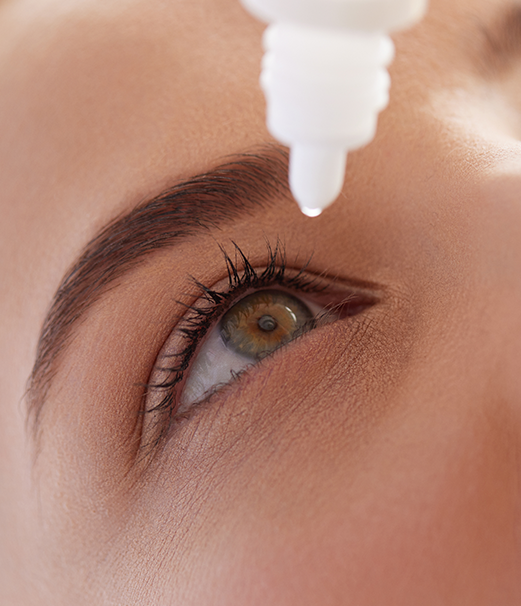
Advanced Honolulu Eye Treatment Options Available
Prescription Medications
Prescription treatments for dry eye often come in the form of eye drops that target the inflammatory cycle driving chronic symptoms. Medications like cyclosporine (such as Restasis) and lifitegrast (such as Xiidra) work by increasing your tear volume. Short-term corticosteroid eye drops may control acute flares. These prescription options address what over-the-counter drops cannot—the underlying disease process.
Schedule An Appointment and Get Relief Today
Specialty Contact Lenses for Dry Eye
Specialty contact lenses offer remarkable relief for severe dry eye patients. Custom scleral lenses vault over the cornea, creating a fluid reservoir that keeps the eye constantly hydrated. For patients who thought contact lenses were impossible due to dryness, these lenses can be transformative, providing both vision correction and therapeutic benefit.
Lifestyle Modifications
Lifestyle modifications specific to Honolulu's environment help protect your eyes daily.
Our practice also offers aesthetic eyelid treatments that can address dry eye-related lid issues, improving both function and appearance for patients coming from nearby communities such as Hawaii Kai seeking eye care and specialty contacts.
With advanced options, patients can finally achieve lasting relief from persistent dry eyes.
Schedule An Appointment and Get Relief Today
Why Choose Kahala Eye Clinic for Dry Eye Treatment
Our eye doctor is specialty residency trained and TPA certified, bringing advanced training and extensive experience in treating complex dry eye and other eye conditions. Rather than offering generic advice, our clinic applies the latest knowledge of eye disease to create personalized, effective treatment plans—including prescribing any medications needed to relieve symptoms and protect long-term eye health. Patients who have struggled for years with uncomfortable or irritated eyes often experience their first real relief at our Honolulu clinic. Most patients see significant improvement or lasting relief with our approach.
Our Honolulu eye doctor uses state-of-the-art diagnostic equipment that reveals what standard eye exams miss.
The personalized approach at Kahala Eye Clinic means we take time with each patient. We listen to how dry eyes affect your daily life, understand your concerns, and explain every step of the healing process. Building long-term relationships with our patients allows us to adjust treatment as needed and ensure ongoing comfort through regular follow up appointments to monitor progress.
Our convenient location serves the Honolulu, Kahala, Hawaii Kai, Aina Haina, and Manoa communities. As part of our broader service areas across Honolulu and East Oahu, we accept most insurance plans and offer financing options to make advanced dry eye treatment accessible. Schedule your eye appointment today to experience the difference that expert, personalized dry eye care can make.
Dry Eye Services
Comprehensive dry eye evaluation and diagnosis
Advanced meibomian gland therapy
Punctal plugs
Advanced meibomian gland therapy
Amniotic tissue lenses (Prokera)
Prescription dry eye medications
Specialty contact lenses for dry eyes
Custom scleral contact lenses
Experience the difference of personalized eye care at Kahala Eye Clinic in Honolulu.
Schedule your visit today and see Hawaii clearly—comfortably—for the first time in years.
Powered by
