


Kahala Eye Clinic, Kahala Office Tower, 4211 Waialae Avenue, Suite #202
Honolulu, HI 96816

Punctal Plugs in Honolulu (Eye Plugs for Dry Eyes) – Advanced Treatment at Kahala Eye Clinic
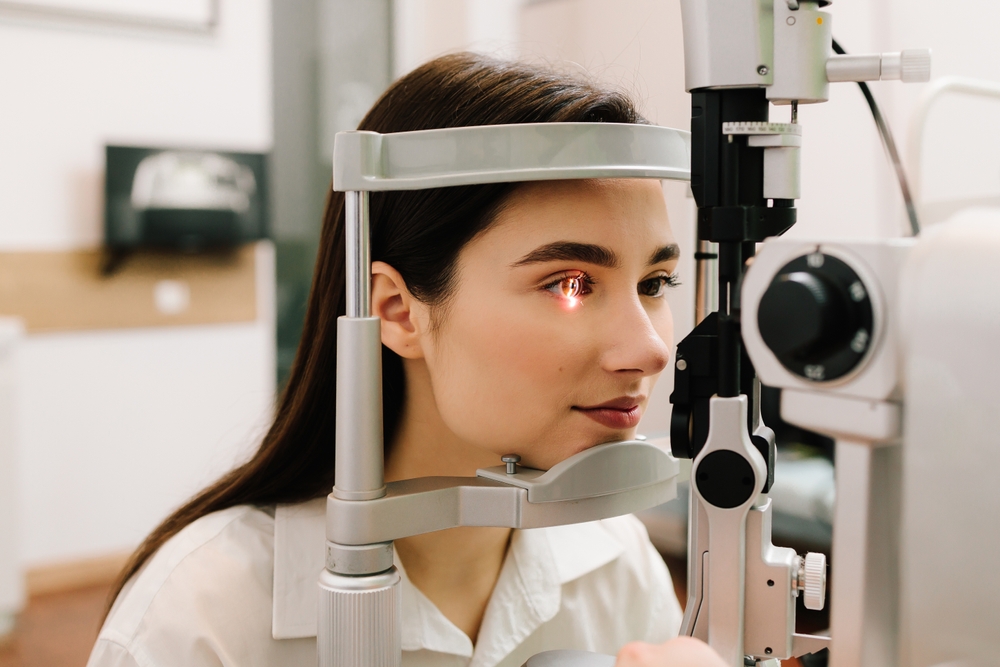
If you’ve been living with burning, irritated eyes despite using drops throughout the day, punctal plugs may offer the relief you’ve been searching for. At Kahala Eye Clinic in Honolulu, we provide advanced dry eye treatments designed around precision and long-term results—not quick fixes.
Schedule a Medical Eye Exam Today.
Quick Overview: Are Eye Plugs Right for Your Dry Eyes?
Eye plugs, medically known as punctal plugs, are tiny devices placed in the tear ducts to help your eyes retain moisture longer. At Kahala Eye Clinic, we offer this treatment as part of a comprehensive dry eye management approach.
You may be a candidate for punctal plugs if you experience:
Using artificial tears or eye drops multiple times per day without lasting relief
Persistent burning, stinging, or gritty sensation in your eyes
Fluctuating vision that worsens during reading, blinking, driving, or screen work
Post-surgical dryness following LASIK or cataract procedures
Contact lens intolerance due to chronic dryness
Important: At Kahala Eye Clinic, punctal plugs are part of a structured medical dry eye plan—not a quick add-on during a routine visit. Placement typically follows a full dry eye evaluation and custom measurements to ensure this treatment is appropriate for your specific condition.
Key benefits in plain terms:
Longer-lasting moisture on your eye’s surface throughout the day
Reduced dependence on artificial tears
Improved comfort during screen time, reading, and daily activities
Ready to find out if you’re a candidate? If you’re in Kahala, Honolulu, Hawaii Kai, Aina Haina, or Manoa, you can schedule a Specialty Dry Eye Exam (booked online as a Medical Eye Exam) to start your evaluation.
Schedule a Medical Eye Exam Today.
Understanding Dry Eye and Why Tears Matter
Dry eye occurs when your eyes either don’t produce enough tears or when tears evaporate too quickly from the eye’s surface. This imbalance leads to uncomfortable symptoms that can significantly impact daily life.
Common dry eye symptoms include:
Burning or stinging sensations
Gritty feeling, like sand in your eyes
Blurred or fluctuating vision
Sensitivity to wind, dry air, and air conditioning
Itchy eyes or eye pain after prolonged use
What causes dry eye? The triggers vary widely but often include:
Aging, particularly after age 50
Hormonal changes during menopause
Extended screen time without adequate breaks
Poor quality contact lens wear
LASIK or cataract surgery
Medications like antihistamines, antidepressants, or blood pressure drugs
Environmental factors such as low humidity or constant air conditioning
Here’s something many people don’t realize: your tear film isn’t just water. It consists of three distinct layers—oil on the outside to prevent tear evaporation, a watery middle layer for moisture, and a mucus layer that helps tears spread evenly. When any layer is compromised, you experience dry eye symptoms.
This is why simply adding more drops isn’t always the answer. Your natural tears contain protective enzymes, antibodies, and growth factors that artificial tears cannot fully replicate. Conserving these natural tears can be more effective than relying solely on frequent drop application.
Punctal plugs work on the “drainage” side of the tear drainage system, slowing how quickly tears drain from your eyes into the nasal cavity. This approach complements other treatments that improve tear quality or reduce inflammation.

What Are Punctal Plugs (Eye Plugs for Dry Eyes)?
Schedule a Medical Eye Exam Today.
Punctal plugs, also called lacrimal plugs or tear duct plugs, are tiny, biocompatible devices placed into the small openings that drain tears from your eyes. These plugs are designed to slow or block tear drainage, keeping moisture on the ocular surface longer.
Understanding your puncta:
The puncta are small openings located at the inner corners of your upper and lower eyelids
Each eye has two puncta (four total), and they function as drain openings for tears
Tears naturally flow from the eye’s surface through these openings into the lacrimal drainage system and eventually into the nasal cavity
When punctal plugs are inserted into these openings, they create a partial or complete barrier that slows drainage. Think of it like placing a small stopper in a sink drain—water stays in the basin longer instead of immediately flowing away.
Plugs can be placed in the lower lids, upper lids, or both, depending on the severity and pattern of your dryness. Most commonly, the lower puncta are treated first, as they handle the majority of tear drainage.
Types of Eye Plugs for Dry Eyes
Schedule a Medical Eye Exam Today.
There are two primary types of punctal plugs, and at Kahala Eye Clinic, we routinely use both as part of a staged treatment approach.
Plug Type | Material | Duration | Best For |
|---|---|---|---|
Temporary collagen plugs | Collagen or synthetic polymers | A few days to 2-3 months | Trial periods, confirming treatment response |
Slow-dissolving plugs | Extended-release polymers | Several weeks to months | Post-surgical dryness, longer trials |
Semi permanent silicone plugs | Medical-grade silicone, acrylic, or proprietary materials | Months to years | Long-term management after successful trial |
Temporary/dissolvable test plugs: These dissolve naturally over time—anywhere from a few days to several months depending on the formulation. They allow you to test whether blocking tear drainage improves your symptoms without any long-term commitment. No removal is needed; they simply disappear. |
|
|
|
Slow-dissolving options: These last weeks to months and are particularly useful for post-surgical dryness (such as after LASIK or cataract procedures) or when a longer trial period is warranted.
Semi-permanent punctal plug options: At Kahala Eye Clinic, we use proprietary, high-quality plugs that are custom-sized for each patient. These are designed for long-term comfort and stability but remain removable in-office whenever necessary. Unlike generic plugs, premium options feature enhanced retention mechanisms and smoother edges to minimize complications.
Some plugs sit at the surface and are barely visible, while others are positioned slightly deeper within the punctal opening and are essentially invisible to the naked eye.
How Do Eye Plugs Help Dry Eyes?
Punctal plugs work by slowing tear drainage so your natural tears remain on the eye’s surface longer. Instead of quickly draining away, tears have more time to lubricate, protect, and nourish your eyes.
The practical benefits include:
Improved moisture levels throughout the day
Reduction in burning, stinging, and gritty sensations
More stable tear film, which supports clear vision for tasks like driving or computer work
Eyes stay moist longer between blink cycles
When your natural tears are retained, you preserve beneficial components that artificial tears cannot fully replicate—protective enzymes, antibodies, and the natural oils that prevent tear evaporation.
Compared to frequent artificial tear use: Many patients find that after successful plug placement, they can reduce drop usage from 4-6 times daily down to 1-2 times, or even less. This means more consistent relief without constantly reaching for eye drops.
Punctal plugs are typically recommended when preservative-free artificial tears, warm compresses, lid hygiene, and other personalized dry eye treatments alone aren’t providing enough relief.
Who Is a Good Candidate for Punctal Plugs?
Schedule a Medical Eye Exam Today.
Not every patient with dry eye symptoms should jump straight to punctal plugs. Proper diagnosis is essential to determine if this treatment is right for you. Kahala Eye Clinic is here to help you find the best dry eye treatment.
Practical signs you may be a candidate:
Using lubricating drops more than 4-6 times daily
Chronic burning, stinging, or feeling like there’s sand in your eyes
Dryness that worsens throughout the day, especially by evening
Watery eyes
Red eyes
Fluctuating blurry vision with blink
Symptoms that interfere with work, reading, or screen use
Specific conditions where plugs often help:
Aqueous tear deficiency (your tear glands don’t produce enough tears)
Sjögren’s syndrome or other autoimmune conditions affecting tear production
Post-LASIK or cataract surgery dryness
Contact lens intolerance related to insufficient tear film
When plugs may need to wait: Significant eyelid inflammation, blepharitis, or meibomian gland dysfunction need treatment first. Placing plugs before addressing these issues can lead to poor outcomes or complications.
At Kahala Eye Clinic, we determine candidacy only after a comprehensive dry eye exam—never during a quick routine visit.
Our Step-by-Step Punctal Plug Process at Kahala Eye Clinic
Schedule a Medical Eye Exam Today.
At Kahala Eye Clinic, punctal plugs for dry eye are part of our broader advanced dry eye treatment program and are a structured medical treatment, not an instant add-on to another appointment.
Our staged approach includes:
Comprehensive Dry Eye Evaluation
Customized treatment planning with precise measurements
Trial with dissolvable test plugs
Semi-permanent plug placement if the trial is successful
This approach improves safety, comfort, and long-term results compared with same-day, unsized plug placement that some offices offer. All steps occur in-office in Honolulu under the care of our experienced eye doctor.
Step 1: Comprehensive Dry Eye Evaluation
Your journey begins with a Specialty Dry Eye Exam at our Kahala optometry clinic, which can be conveniently booked online as a Medical Eye Exam.
During your history review, we assess:
Current and past treatments (types and frequency of drops, prior plugs, lid scrubs, prescription medications)
Relevant medical conditions such as autoimmune disease, thyroid disorders, or hormonal changes
Lifestyle factors including screen time, contact lens wear, and environmental exposures
Diagnostic testing includes:
Assessment of tear quantity using standardized methods
Tear breakup time to evaluate tear film stability
Staining of the ocular surface to identify damage
Meibomian gland evaluation for oil layer function
Eyelid margin inspection for signs of blepharitis or inflammation
This comprehensive exam identifies the specific type and severity of your dry eye—whether it’s evaporative, aqueous-deficient, or mixed—to determine whether plugs are appropriate.
If significant inflammation or lid disease is present, the treatment plan may start with addressing those issues before any plug is placed.
Step 2: Customized Treatment Planning
If punctal plugs appear beneficial for your condition, we create a customized plan rather than using generic, one-size-fits-all plugs.
Precise measurement matters:
We obtain exact measurements of your punctal openings (size and anatomy)
These measurements determine the correct plug diameter and design for your anatomy
Punctal apertures vary significantly between individuals, ranging from 0.2mm to 0.8mm
Why sizing is critical:
Plugs that are too small can fall out quickly (extrusion rates of 25-50% with improper sizing)
Plugs that are too large can feel irritating, cause inflammation, or lead to plug displacement
Custom fitting reduces complications significantly compared to generic approaches
Kahala Eye Clinic may also begin or adjust other treatments first—such as anti-inflammatory prescription drops, lid treatments, omega-3 supplementation, or other comprehensive eye care services—to optimize the ocular surface before plug placement.
The goal is long-term comfort and stability, not just short-term symptom suppression.
Step 3: Trial with Dissolvable Test Plugs
When appropriate, we typically start with dissolvable test plugs before committing to semi-permanent options.
The trial process:
Temporary plugs are placed quickly in-office—the insertion takes only a few minutes
These plugs dissolve naturally over days to weeks (or longer depending on material)
No removal is required; they simply disappear on their own
What we evaluate during the trial:
Change in dryness, burning, or gritty sensations
Improvement in vision stability
Comfort of the plugs themselves
This is a low-risk way to confirm that blocking the tear drainage system actually helps your symptoms before committing to longer-lasting plugs.
During the test period, patients are typically asked to monitor and report symptoms so we can fine-tune the next step of treatment.
Step 4: Semi-Permanent Plug Placement
If the dissolvable trial is successful, the next stage is semi permanent punctal plug placement at a follow-up appointment.
What to expect:
We use proprietary, high-quality silicone or advanced plugs chosen for comfort, durability, and reduced complication rates
Plugs are carefully fitted and seated based on your exact measurements
Patients do not feel the plugs once placed
Normal activities can be resumed immediately after the painless procedure
These plugs are “semi-permanent”—designed to last months to years but can be removed quickly in-office if needed. They are not truly permanent plugs that require surgical removal and cause much fewer complications that other plugs.
This staged, data-driven approach leads to higher success rates and fewer complications than placing long-term plugs on the first visit without proper evaluation or sizing.
Schedule a Medical Eye Exam Today.
What to Expect During and After the Procedure
Punctal plug insertion is an in office procedure performed by an experienced eye doctor in Honolulu and lasting only a few minutes per eye.
Preparation:
Review of your current symptoms and any changes since your evaluation
Confirmation of plug type and size based on your measurements
Optional anesthetic drops to ensure comfort during placement (eyes numbed if needed)
During insertion:
You may feel slight pressure or mild irritation during placement
Most patients describe it as less intense than a routine eye pressure check
The entire process is a painless procedure
Most patients can drive themselves home and return to work, school, or screen use the same day. Normal activities are not restricted.
Typical after-effects:
Mild awareness or foreign-body sensation for a day or two
Slight irritation at the inner corner of the eye
These sensations fade within a few days as the eyelids adapt

Follow-Up and Ongoing Care
Follow up visits are essential to ensure your plugs are working properly and comfortably.
Our follow-up protocol includes:
Scheduled checkups to verify plug position
Evaluation of symptom improvement using objective measures
Adjust and reduce of other eye drops
If plugs are not well tolerated, they can be removed in-office, and other dry eye treatments can then be pursued.
Punctal plugs are one part of a broader dry eye management plan that may include lid therapy, prescription drops, and lifestyle adjustments for lasting dry eye relief.
Schedule a Medical Eye Exam Today.
Benefits and Possible Risks of Eye Plugs for Dry Eyes
Like any medical treatment, punctal plugs carry some risks alongside their benefits. Understanding both helps you make an informed decision.
Primary benefits of punctal plugs:
More stable eye moisture throughout the day
Reduction in dryness, burning, and uncomfortable symptoms
Less need for frequent drop application
Support for healing of the ocular surface
Studies show 70-90% symptom improvement in moderate to severe dry eye patients
Common, typically mild side effects:
Temporary foreign-body sensation (affects 10% of patients, resolves in 1-2 weeks)
Awareness at the inner corner of the eye initially
Transient watery eyes as your tear film adjusts
Excess tears in very rare cases, especially if lower and upper puncta are both plugged
Less common risks:
Plug loss or extrusion (20-40% with improper sizing, much lower with custom fitting)
Local irritation or inflammation around the punctum (low risk with custom fitting)
Infection (1%, rare with sterile technique)
In rare cases, deeper migration requiring removal (0.5-2%)
Careful sizing, staged testing, and high-quality plug materials at Kahala Eye Clinic are specifically intended to reduce these risks. Using poor quality or generic plugs significantly increases complication rates.
Schedule a Medical Eye Exam Today.
When Plugs May Need Adjustment or Removal
Adjustments are sometimes necessary and are straightforward to perform in-office.
Warning signs that warrant a call to the clinic:
Persistent eye pain that doesn’t improve
Swelling of lids
How removal works:
Surface plugs can usually be removed with fine forceps under magnification—taking only a few minutes
Dissolvable plugs simply disappear over time; no removal needed
Deep canalicular plugs (not recommended) can occasionally require more advanced techniques, though this is uncommon
Removal does not damage the tear drainage system in the vast majority of cases. If punctal plugs removed don’t provide expected relief, your eye doctor can explore other dry eye treatments.
Schedule a Medical Eye Exam Today.
Cost, Insurance Coverage, and Practical Considerations
Punctal plugs are a medical dry eye treatment provided as part of our comprehensive eye care at Kahala Eye Clinic and are covered by medical insurance.
Are punctal plugs covered by insurance?
Many medical insurance plans cover punctal plugs when:
Dry eye disease is properly diagnosed with appropriate testing
Medical necessity is documented in your records
Follow-up care is provided as part of the treatment plan
Because Kahala Eye Clinic performs and documents advanced dry eye diagnostics, patients find that their treatment qualifies for full coverage.
Before your visit: Contact Kahala Eye Clinic and your insurance provider to confirm benefits, copays, and any preauthorization requirements.
Schedule a Medical Eye Exam Today.
Do You Still Need Artificial Tears After Getting Plugs?
Many patients still use artificial tears after successful plug placement—just less frequently.
What to expect:
Plugs improve tear conservation, but underlying issues may still require ongoing therapy
Low quality tears due to inflammation or poor oil layer function may need additional treatment
Preservative-free lubricants are often preferred, especially in moderate to severe dry eye
Kahala Eye Clinic will customize drop recommendations as part of our wide range of vision services based on your exam findings and response to plugs. Some patients reduce from using drops constantly to just morning and evening use.
Ongoing care remains important:
Lid hygiene and warm compresses
Environmental changes (humidifiers, screen breaks)
Omega-3 supplementation if recommended
Regular follow-up to monitor eye health
Even when plugs provide good immediate relief, these practices and staying informed through our eye care FAQs help maintain long-term results.
Schedule a Medical Eye Exam Today.
Eye Plugs for Dry Eyes in Honolulu: When to Schedule an Evaluation
Punctal plugs can be highly effective for moderate to severe dry eye syndrome when used as part of a thoughtful treatment plan that may also include aesthetic eye care and eyelid rejuvenation, rather than as a rushed, one-size-fits-all solution.
Consider scheduling an evaluation if you:
Use drops every hour without enough relief
Wake with dry, painful, or gritty eyes
Experience discomfort with contact lenses due to chronic dryness
Have post-surgery dryness lasting more than a few weeks
Find that dry eye affects your work, driving, or daily activities
Haven’t achieved noticeable improvement with drops alone
For patients in Kahala, Honolulu, Hawaii Kai, Aina Haina, and Manoa: A Specialty Dry Eye Exam can determine whether you’re a candidate for trial plugs and identify the best treatment path for your specific condition. To get started, contact our Kahala optometrist office and simply schedule a Medical Eye Exam today.
At Kahala Eye Clinic, we use a test-first, custom-fit approach with premium plugs—prioritizing precision, safety, and long-term comfort over quick procedures.
Ready to take the next step?
Book your appointment online or by phone
Bring a list of your current eye drops, medications, and symptoms
Appointments are by scheduled visit only
Experience precision-driven, advanced dry eye care in Honolulu at Kahala Eye Clinic. Every treatment is custom-tailored to your eyes for optimal comfort and lasting results.
Powered by
