


Kahala Eye Clinic, Kahala Office Tower, 4211 Waialae Avenue, Suite #202
Honolulu, HI 96816

Is the Sun Good for Your Eyes? Understanding the Benefits and Risks in Honolulu, Hawai'i
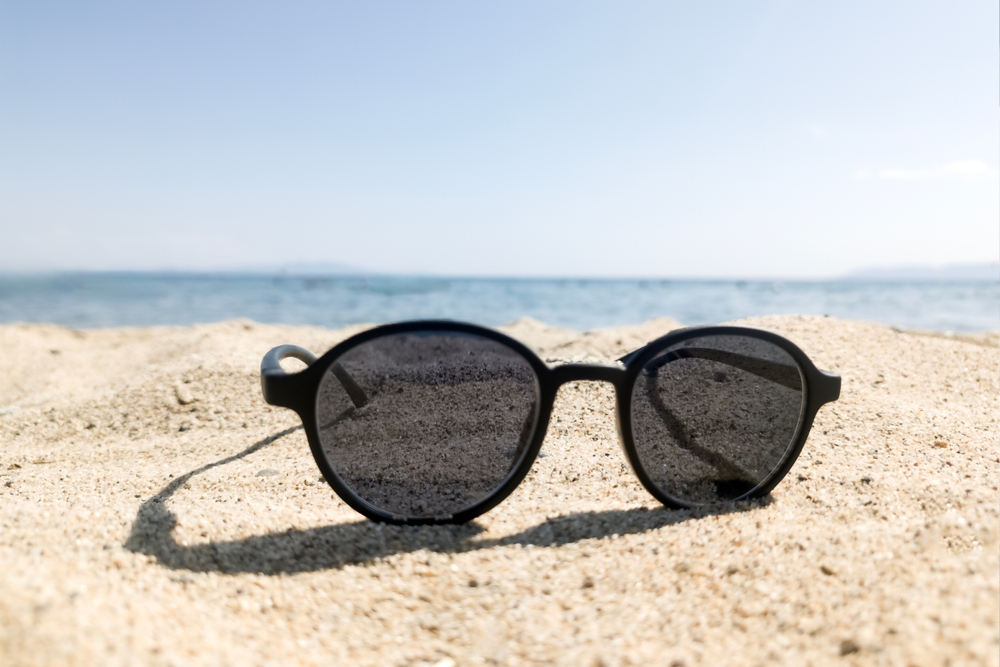
While natural sunlight plays a vital role in supporting your overall health and vision development, harmful UV rays pose risks that can lead to serious eye disease and permanent vision problems. Living in sunny Hawai'i, means being exposed to intense sunlight year-round, so the key lies in ensuring proper eye protection against UV damage.
Protecting your eyes from sun damage also involves choosing the right eyewear lenses and coatings for your sunglasses. Lens coatings and tints that block UV light are essential in minimizing harmful UV exposure to your eyes. However, not all lens coatings are equally effective—some provide only partial protection or degrade over time. At Kahala Eye Clinic, we provide the highest quality lenses and coatings, which offer superior UV protection compared to mass-produced lenses commonly found in typical sunglasses and retail stores. Our premium coatings ensure durable, long-lasting defense against harmful UV rays, giving you confidence that your eyes are well protected while enjoying the sunny outdoors in Honolulu.

Exposure to sunlight offers genuine health advantages, including vitamin D, improved sleep regulation, and reduced risk of developing nearsightedness in children. However, too much exposure to the sun’s ultraviolet rays can cause immediate injury like photokeratitis, retinal damage and contribute to long-term conditions such as cataracts, macular degeneration, and cancerous growths around the eyes. The solution isn’t avoiding the sun entirely—it’s learning simple guidelines for safe sun exposure while protecting your eyesight in Honolulu’s bright and tropical environment.
The Complex Relationship Between Sunlight and Eye Health in Honolulu
Natural sunlight serves essential functions for your body and vision system, yet the human eye faces unique vulnerabilities when exposed to unfiltered sun light, especially in a location like Honolulu, Hawai'i, where UV levels are high year-round.
Moderate sunlight exposure supports several critical health functions. Spending time outdoors in Honolulu helps your body produce vitamin d, which strengthens your immune system and contributes to overall health. Natural light also regulates your circadian rhythms, improving sleep quality and mood regulation. For children and young adults, time spent outdoors plays a particularly vital role in preventing myopia, with research showing that outdoor UV light exposure helps reduce the risk of developing nearsightedness.
However, the sun’s rays contain UV radiation that can damage different structures of your eye over time. UV A and UV B rays penetrate your cornea and lens, causing cumulative damage that increases your risk of cataracts, pterygium, and age-related macular degeneration. Direct sunlight exposure, especially during the strongest midday hours in Honolulu’s tropical climate, can cause immediate injury like photokeratitis—essentially a sunburn of your eye’s surface.
The challenge lies in balancing these factors. Your eyes need some exposure to natural light for healthy development and circadian function, but they require protection from harmful UV rays to prevent both immediate injury and long-term eye problems. This means you can enjoy the benefits of spending time outdoors in Honolulu while minimizing UV damage through protective eyewear and smart timing choices.
Age significantly affects how your eyes process sunlight. Children’s eyes are more at risk to UV light, making them more vulnerable to sun damage but also more responsive to the myopia-preventing benefits of outdoor time. As you age, your lens naturally yellows and blocks more UV rays, but this same aging process makes you more susceptible to cataracts and macular degeneration from cumulative ultraviolet exposure.
Understanding Sunlight’s Effects on Your Vision in Honolulu
The sun emits a broad spectrum of radiation that affects your eyes differently depending on the wavelength and intensity. Understanding these effects helps explain why sunlight good for some aspects of health while potentially harmful for your eye tissue.
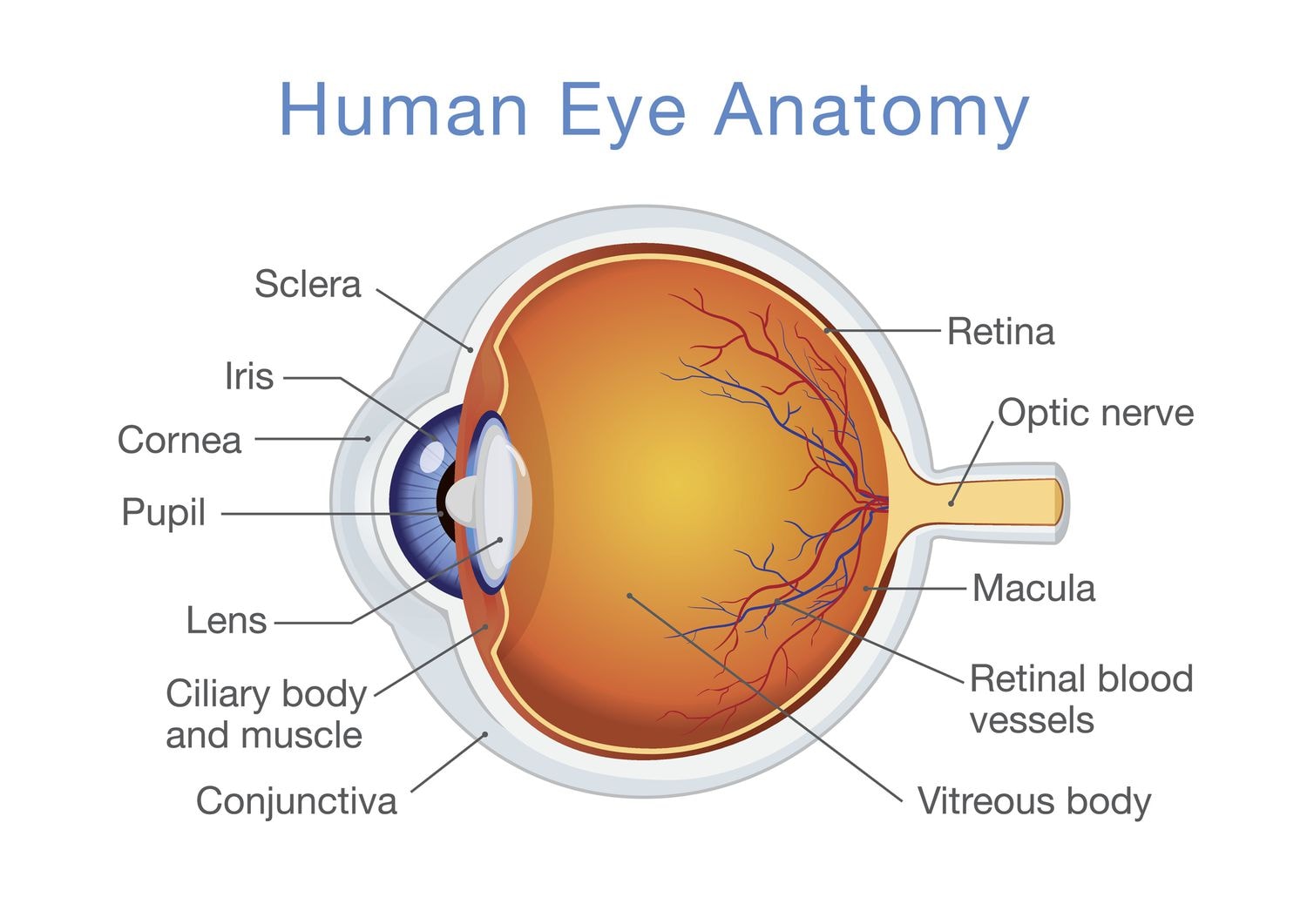
UV radiation divides into two main types that reach your eyes: UV A rays (315-400 nanometers) and UV B rays (280-315 nanometers). Your cornea absorbs most UV B rays, while your lens filters out remaining UV B and most UV A rays before they can reach your retina. However, this protective mechanism comes at a cost—both structures accumulate damage over years of exposure, leading to conditions like cataracts and corneal diseases.
The benefits of outdoor light exposure primarily come from visible light rather than UV radiation. When children spend time outdoors in Honolulu’s bright environment, bright natural light stimulates dopamine production in their retinas, which helps prevent excessive eye growth that leads to myopia. This protective effect requires significant light levels—typically much brighter than indoor environments—but doesn’t require direct exposure to harmful UV rays.
Natural sunlight also influences your circadian rhythms through specialized cells in your retina that detect light changes throughout the day. Morning exposure to natural light helps regulate melatonin production and sleep-wake cycles, contributing to better overall health. This system responds primarily to visible light, particularly blue light, rather than UV radiation.
Recent research has revealed that certain longer wavelengths in sunlight may actually benefit retinal function. Studies using controlled 670-nanometer red light have shown improvements in color vision and retinal energy production, especially in aging eyes. However, these benefits come from carefully controlled doses delivered through specialized equipment, not from unprotected exposure to the full solar spectrum.
The timing and intensity of light exposure matter significantly. Early morning and late afternoon sunlight in Honolulu contains more beneficial red wavelengths and less intense UV radiation compared to midday sun. This natural variation suggests that humans evolved to receive different types of light exposure throughout the day, with the strongest UV radiation occurring when the sun is highest and potentially most harmful.
As we age the sun affects our eyes in different ways. Children and young adults have clearer lenses that transmit more UV light to their retinas, making protection especially important during these years when damage accumulates most rapidly. As you age, your natural lens becomes more yellow and blocks additional UV rays, but this same aging process increases your risk of cataracts and makes your retina more vulnerable to light-induced damage.
Common Sun-Related Eye Conditions and Protection Methods in Honolulu
Sun damage to your eyes can manifest as both immediate injuries and long-term degenerative conditions. Understanding these risks helps emphasize why proper eye protection is essential whenever you spend time outdoors in Honolulu’s sunny climate.
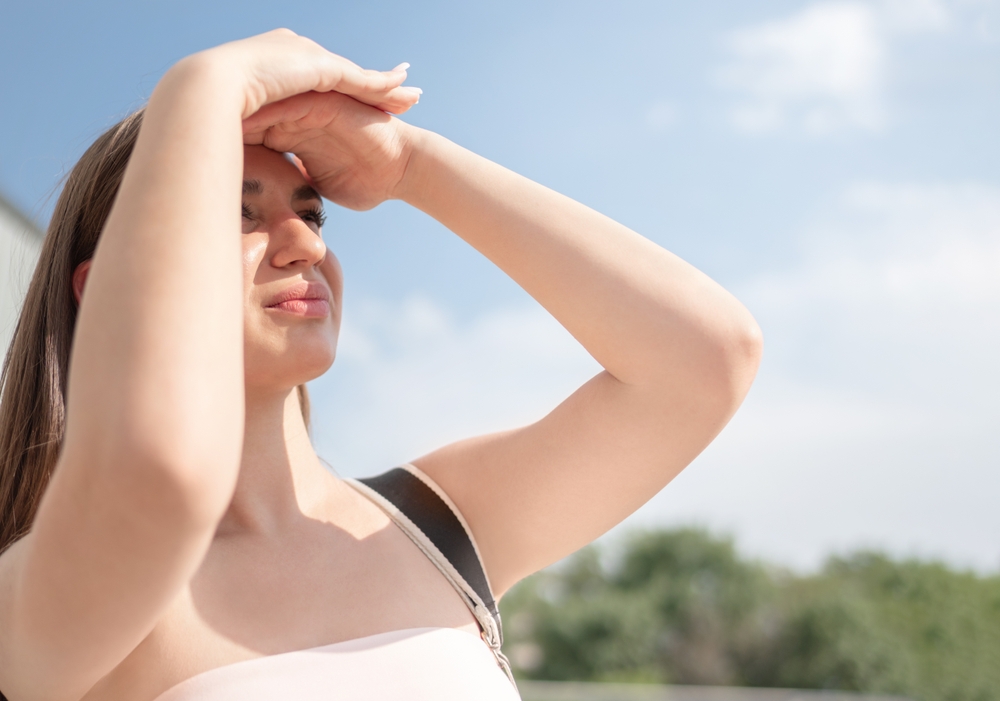
Photokeratitis, often called “sun blindness,” represents the most immediate form of sun damage to your eyes. This condition occurs when intense UV rays essentially sunburn your cornea, causing severe pain, tearing, and temporary vision loss within hours of overexposure. Common triggers include bright sunlight reflected off water or sand, particularly at higher altitudes or beaches where UV radiation is more intense. While photokeratitis usually heals within 24-48 hours, it can cause permanent corneal scarring in severe cases.
Cataracts represent the most common long-term consequence of cumulative UV exposure. This condition occurs when proteins in your lens become damaged and clump together, creating cloudy areas that block light from reaching your retina. Research consistently shows that people with greater lifetime sun exposure develop cataracts earlier and more severely than those who protect their eyes. The lens absorbs UV radiation to protect your retina, but pays the price through gradual protein damage that accumulates over decades.
Age-related macular degeneration affects the central part of your retina responsible for detailed vision. While multiple factors contribute to this eye disease, studies suggest that cumulative exposure to UV light and high-energy visible light may accelerate retinal aging and increase your risk of vision loss. The connection between sun exposure and macular degeneration appears strongest in people who spend significant time outdoors without adequate protective eyewear.
Pterygium, sometimes called “surfer’s eye,” develops when tissue from your conjunctiva grows across your cornea in response to chronic UV exposure. This condition is most common in people who spend extensive time outdoors near reflective surfaces like water or sand. While pterygium often starts as a cosmetic concern, it can eventually interfere with vision and require surgical removal.
Protecting your eyes from sun damage requires a multi-layered approach that blocks harmful UV rays while allowing you to enjoy outdoor activities safely. Quality sunglasses represent your first line of defense, but they must provide 100% protection against both UV A and UV B rays. At Kahala Eye Clinic, we provide the highest quality lenses and coatings, which offer superior UV protection compared to mass-produced lenses commonly found in typical sunglasses and retail stores. Our premium coatings ensure durable, long-lasting defense against harmful UV rays, giving you confidence that your eyes are well protected while enjoying the sunny outdoors in Honolulu.
When you wear sunglasses, choose frames that fit properly and cover your entire eye area. Gaps around the edges allow UV light to reach your eyes from multiple angles, particularly light reflected off surfaces below and beside you. Larger lenses and closer-fitting frames provide better coverage than small or loose sunglasses. At Kahala Eye Clinic we custom fit every frame for our clients.
Wide brimmed hats offer additional protection by blocking direct sunlight and reducing the amount of reflected UV radiation reaching your eyes. A broad brimmed hat with at least a four-inch brim can reduce UV exposure to your face and eyes by up to 50%. Combining a wide brimmed hat with quality sunglasses provides the most comprehensive protection.
Timing your outdoor activities helps minimize exposure to the strongest UV radiation. The sun’s ultraviolet rays are most intense between 10 AM and 4 PM, particularly during the early afternoon hours in Honolulu’s tropical climate. When possible, schedule outdoor activities for early morning or late afternoon when UV levels are lower. If you must be outside during peak hours, seek shade when available and ensure you’re wearing proper protective eyewear.
Additional tips for eye protection include avoiding tanning beds, which pose the same risks as natural UV radiation but often at much higher intensities. At higher altitudes, UV radiation increases significantly—approximately 4% for every 1,000 feet of elevation—so mountain activities around Hawai'i require extra protection. Water, sand, and concrete reflect UV light upward toward your eyes, creating additional exposure that standard hats don’t block effectively.
Remember that how much time you spend outdoors affects your cumulative risk of UV damage. Even less time in direct sunlight without protection can contribute to long-term eye problems. However, you don’t need to avoid spending time outdoors entirely—with proper protection, you can safely enjoy the benefits of natural light while protecting your eyesight from harmful exposure.
Kahala Eye Clinic in Honolulu, Hawai'i
Our clinic is now welcoming new patients. Our expert team is dedicated to providing comprehensive eye care services tailored to meet all your vision needs. Whether you're seeking routine eye exams, advanced diagnostic testing, or the latest in vision correction technology, we are here to support your eye health journey. With our commitment to personalized care and cutting-edge treatments, Kahala Eye Clinic ensures you receive the highest quality service in a friendly and professional environment. Schedule your appointment today and experience the difference of expert eye care right here in beautiful Hawai'i.
Powered by
