


Kahala Eye Clinic, Kahala Office Tower, 4211 Waialae Avenue, Suite #202
Honolulu, HI 96816

Managing Dry Eyes in Honolulu- and Beyond: Causes, Relief, and When to Seek Medical Help
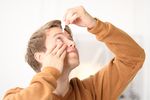
Dry eye isn’t just an annoyance - it’s a day-to-day disruption that can make reading, driving, or simply blinking feel uncomfortable. For many patients, symptoms come and go. For others, the irritation lingers like wind-blown sand across the eyes. Understanding what’s behind the dryness and knowing when to seek professional care can make a tremendous difference in long-term comfort and eye health.
What Causes Dry Eye?
Dry eye is very common in Honolulu—and around the world. Dry eye develops when the eyes don’t produce enough tears or when the tears evaporate too quickly, and several underlying factors can contribute to this imbalance. One of the most common causes is Meibomian Gland Dysfunction (MGD). The meibomian glands, located along the eyelid margins, create the oily layer of your tears that helps prevent evaporation. When these glands become blocked or inflamed, the tear film becomes unstable, often leading to burning, irritation, and blurry vision.
Environmental and lifestyle factors also play a major role. Honolulu’s bright sun, warm climate, and ocean winds can dry out the tear film. Air conditioning, prolonged screen time, contact lens wear, poor contact lens materials, poor contact lens fitting, wind exposure, and smoking can further worsen dryness by increasing inflammation and increasing tear evaporation.
Hormonal changes and aging contribute as well. Tear production naturally decreases over time, and hormonal shifts can intensify dry eye symptoms.
Certain medications and medical conditions may also reduce tear quality or quantity. Medications such as antihistamines, antidepressants, and blood pressure medications, along with conditions like autoimmune diseases, rosacea, thyroid disorders, and others, can directly affect the stability of your tear film and lead to chronic dryness.
What Can You Do for Dry Eye Relief in Honolulu?
- Hydration & Humidity: Stay well-hydrated, and consider a humidifier at home - especially if you run air conditioning.
- Screen Breaks: Follow the 20-20-20 rule to encourage blinking and protect your tear film during long hours on digital devices.
- Omega-3 Fatty Acids: Supplements or omega-3-rich foods may improve tear quality for some individuals.
While these steps help, persistent dry eye often requires professional evaluation by an eye doctor is best to uncover the root cause. Some forms of dry eye can be supported at home with simple, consistent habits. Others require more advanced care. It is important to discuss treatments and lifestyle modifications with an eye doctor. Identifying the specific unique cause for each patient is important for selecting the correct treatment.
Example treatments:
- Warm Compresses: A warm compress can soften clogged oils in your eyelids and support healthier tear production, especially if MGD is involved.
- Lubricating Eye Drops: Artificial tears provide quick relief, but it’s important to choose high-quality, preservative-free formulas if you’re using drops frequently.
- Punctual Plugs
- Amniotic Membranes
- Lid debridement and treatment
- Scleral Contact Lens
- Medication Drops
When to See Your Eye Doctor in Honolulu
Mild, occasional dryness is common - but ongoing symptoms are a sign to schedule a professional dry eye evaluation at Kahala Eye Clinic.
Seek care if you experience:
- Burning, stinging, or gritty sensations
- Blurred or fluctuating vision
- Redness
- Light sensitivity
- Excess watering
- Eye fatigue
- Discomfort with contact lenses
- Symptoms that persist despite using lubricating drops
We use advanced diagnostic tools to evaluate the quality of your tears, examine the meibomian glands, and assess your overall ocular surface health.
Personalized Dry Eye Treatment in Honolulu, HI
Our advanced dry eye treatments are tailored to your specific needs and may include:
- In-office therapies for MGD
- Prescription medications to reduce inflammation
- Specialized lubricants or ointments
- Lid hygiene routines
- Lifestyle guidance based on your symptoms and environment
Get Expert Dry Eye Care at Kahala Eye Clinic
Dry eyes can make even simple tasks feel uncomfortable, but the right care brings long-lasting relief. We are here to help you find the right path forward, using modern diagnostics and personalized dry eye care tailored to island living.
If dry eye is affecting your daily life, schedule a consultation at Kahala Eye Clinic by clicking here to learn more about advanced treatment options.
Powered by
