


Kahala Eye Clinic, Kahala Office Tower, 4211 Waialae Avenue, Suite #202
Honolulu, HI 96816

How Glaucoma Is Diagnosed: What to Expect at Your Eye Exam
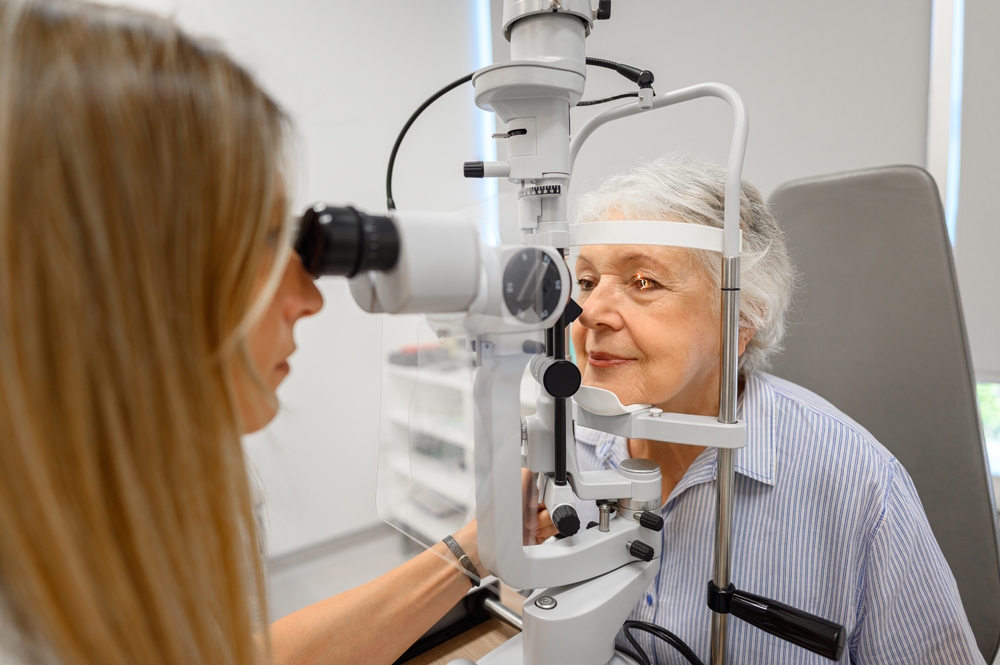
Glaucoma is a group of eye diseases that can damage the optic nerve, often without obvious early symptoms. Because vision changes may not appear until damage has already occurred, diagnosis depends on a thorough eye exam rather than symptoms alone. A glaucoma evaluation helps your eye doctor measure eye pressure, examine the optic nerve, and look for early signs of vision loss.
Reviewing your health and risk factors
Your appointment usually begins with questions about your medical history, medications, family history, and any vision concerns. This matters because glaucoma risk can be influenced by age, family history, certain health conditions, past eye injuries, and long-term steroid use. Sharing this information helps your doctor decide which tests are most important and how closely your eyes should be monitored.
Measuring eye pressure and checking the front of the eye
One of the first steps in diagnosing glaucoma is measuring intraocular pressure. While high eye pressure does not always mean glaucoma, it is a major risk factor. Your doctor may also examine the cornea, drainage angle, and other front structures of the eye to better understand how fluid moves through the eye and whether pressure may be affecting optic nerve health.
Tests you may have during a glaucoma exam
A glaucoma workup often includes several tests that together create a clearer picture of your eye health:
Tonometry to measure eye pressure
Optic nerve evaluation to look for damage
Visual field testing to detect peripheral vision loss
Retinal imaging or OCT to assess nerve fiber layers
Angle assessment to determine the type of glaucoma
Corneal thickness measurement, which can affect pressure readings
Why one test is not enough
Glaucoma is not diagnosed from a single number or one quick screening. Eye pressure can be normal in some people with glaucoma, while others may have elevated pressure without nerve damage. That is why your eye doctor looks at the full picture - optic nerve appearance, imaging results, peripheral vision testing, and pressure readings over time. This careful approach helps catch glaucoma early and supports the right treatment plan.
What happens if glaucoma is detected
If signs of glaucoma are found, your doctor will explain the findings and recommend next steps. That may include follow-up testing, regular monitoring, prescription eye drops, or referral for additional treatment depending on the severity and type of glaucoma. Early diagnosis is important because treatment cannot reverse existing damage, but it can help slow or prevent further vision loss.
Ready to schedule a glaucoma evaluation or comprehensive eye exam? Contact Kahala Eye Clinic in Honolulu, HI at (808) 204-4300. Located at Kahala Office Tower, 4211 Waialae Avenue, Suite #202, Honolulu, HI 96816.
Powered by
